Discovering Monkey Alone: A Handwritten Font for Editorial Charm
As I embarked on redesigning the header for my lifestyle blog, I knew I needed a font that would capture the essence of creativity and authenticity. Enter Monkey Alone, a premium handwritten font that embodies fun, quirkiness, and a touch of whimsy. This enchanting typeface is not just a font; it's a design asset that can transform any project into a standout piece.
The Visual Character of Monkey Alone
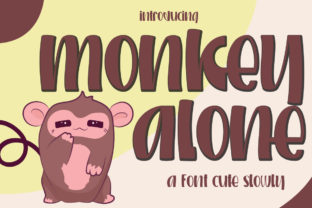
Monkey Alone has a playful and lively character, with its irregular strokes and natural flow. The font's rhythm and mood are perfect for creating a warm and inviting feel, making it ideal for editorial design, especially in projects where a personal touch is essential. Its handwritten style adds a human element, making the text feel more relatable and engaging.
Using Monkey Alone in Blog Headers and Article Titles
For my blog, I used Monkey Alone to create a new header that immediately caught the eye. The font's unique charm and readability made it perfect for the blog's title, setting the tone for the entire site. In article titles, Monkey Alone stands out, drawing readers in with its distinctive and friendly appearance. It's a font that invites interaction and exploration, enhancing the overall reading experience.
Monkey Alone in Magazine Covers and Ebook Titles
When designing the cover for a recipe ebook, I found that Monkey Alone added a delightful and approachable feel. The font's handwritten quality made the cover look more like a personal cookbook, rather than a mass-produced one. For magazine covers, Monkey Alone can be used to create a bold and memorable title, ensuring that the publication stands out on the newsstand or in a digital library.
Enhancing Readability and Visual Hierarchy
While Monkey Alone is a fantastic choice for titles and headings, it's important to consider readability, especially for longer texts. For body copy, I paired Monkey Alone with a clean sans serif font, such as Arial or Helvetica, to maintain clarity and ensure that the content remains easy to read. This combination helps to establish a clear visual hierarchy, guiding the reader's attention from the main points to the supporting details.
Practical Considerations for Using Monkey Alone
- File Formats: Check that Monkey Alone includes all necessary file formats (e.g., OTF, TTF) for your project.
- Licenses: Ensure that the font license allows for commercial use, especially if you plan to use it in ebooks, templates, or other digital products.
- Multilingual Support: Verify that the font supports the languages you need, as this is crucial for reaching a broader audience.
- Styles and Alternates: Explore the included styles and alternates to add variety and personality to your designs.
Conclusion
Incorporating Monkey Alone into my editorial design projects has been a delightful experience. This handwritten font brings a unique and authentic touch, making it a valuable addition to any creative toolkit. Whether you're working on a blog, ebook, or magazine, Monkey Alone can help you create a visually appealing and engaging publication. Just remember to pair it thoughtfully with other fonts to ensure readability and a cohesive design.